Day 66: The Libertines - Up the Bracket
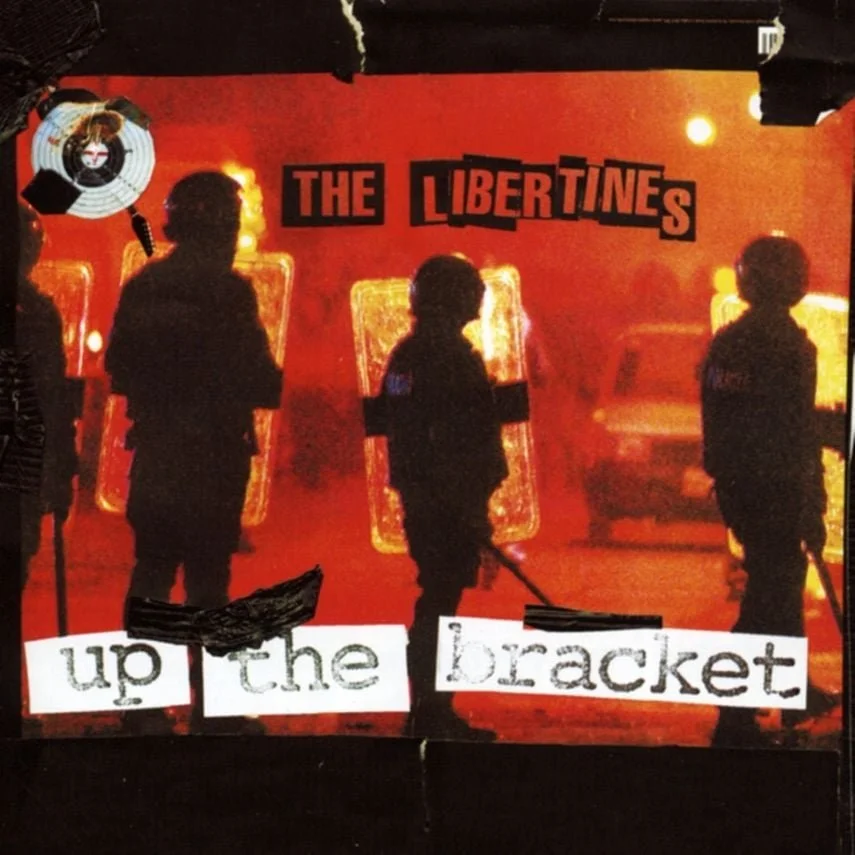
Album cover courtesy of Rough Trade Records
I semi-recently read Libertines singer and guitarist Pete Doherty’s book, A Likely Lad, and I’ve been meaning to listen to more of their music ever since. They’ve got good songs but it’s not really a band I often sit down to listen to, so I thought I’d give their debut album Up the Bracket a go.
Pete Doherty met his co-frontman Carl Barât through his sister when they were 16 and 17, and they immediately became inseparable. They moved in together and started a band, recruiting friends-of-friends Gary Powell on the bass and John Hassall as their drummer. Doherty and Barât were both frontmen who played guitar and sang.
Their relationship ended up falling apart due to Doherty’s escalating drug abuse, as he was addicted to crack and heroin. At one stage of their spat, Doherty even went to prison for a burglary at Barât’s home. They had such big rifts that they had to record their self-titled album with security guards in the studio to stop them from attacking each other, and yet they’re still touring together today. It’s all very dysfunctional, but I do still think there is something very sweet about their relationship — it’s probably something undiagnosed on my part.
Released in 2002, Up The Bracket is the band’s debut album, and it’s regarded as a bit of a classic of the genre. Are they one of the most musically able bands during this album? Nope. But what they lack in know-how, they make up for in enthusiasm. It’s steeped in DIY ethos and the lack of polish lets the energy of the record shine. There’s glimmers of musical virtuosity in there, but it all gets a bit hidden under… I don’t know. I feel like the record is marinated in liquor and bad decisions. That’s part of the charm, but you can also hear that there’s more to the Libertines than we hear on this record.
Up the Bracket is a hell of a debut, I’m giving it an 8/10. I sort of wonder how they weren’t bigger in America, it feels like they should have been. I guess American audiences may have been slightly less receptive to the crimes, the heroin and possibly also the strange, co-dependent relationship between Doherty and Barât. Here, we found it charming.
Sidenote, one thing I found interesting about Doherty’s book is that he’d say things like “Thanks to [artist/band] for letting me use your [riff/melody/whatever] for my song and not suing me for it.” Halcyon days! If there’s one development in music that I hate from recent years, it’s that everyone is now too litigious. Now, anyone will sue anyone else if what they made kind of could be seen as sounding sort of similar to something else if you just don’t listen very closely.
Apparently Doherty just took “inspiration” with reckless abandon. I’m not saying plagiarism is a good thing, but just shows how far we’ve gotten when he was in one of the biggest UK bands and didn’t get rumbled for it with the Libertines, whereas now you can now sue an artist and win if someone thinks you didn’t directly lift anything from another song but the vibe of the song feels similar. I just think that’s bad for art.