Day 91: The Human League - Dare
Sometimes you disobey the maps app and you win, sometimes you do that and lose spectacularly. This time, we lost. A 16-minute trip turned into 40 minutes in a traffic standstill, so I put on a record that I’ve been saving for the perfect moment: Dare by the Human League.
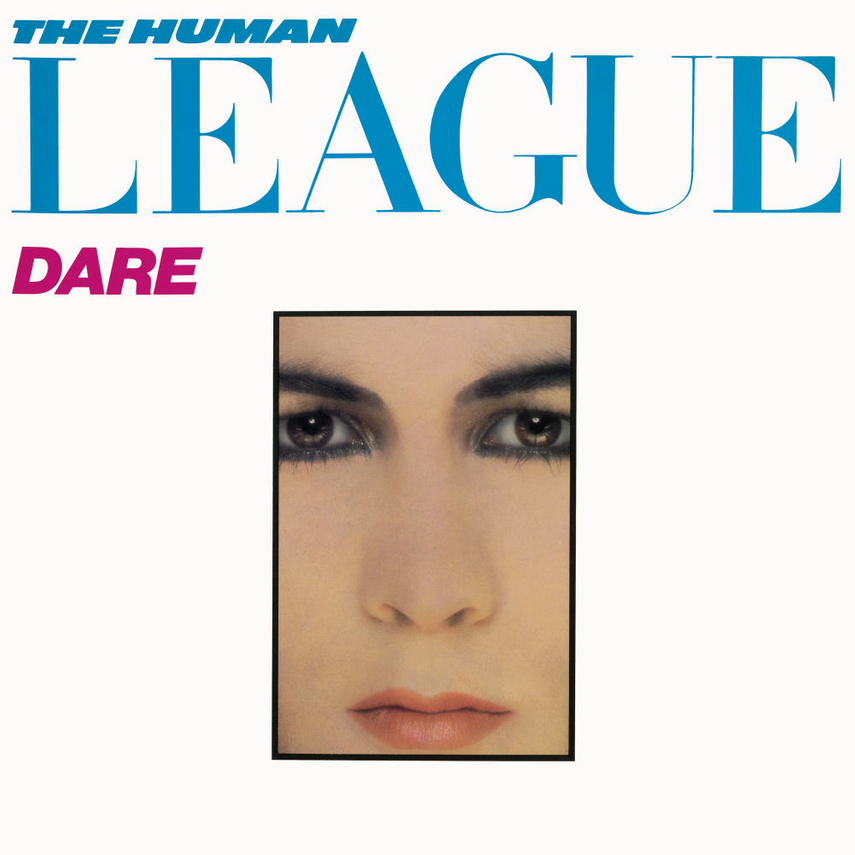
Album cover courtesy of Virgin
The Human League were formed in 1977 by two pals from Sheffield, Martyn Ware and Ian Craig Marsh, who met at a youth project called Meatwhistle. They got a synthesiser and started doing performances of their avant garde electronic music at parties, but they couldn’t get a record deal since labels didn’t think they were commercial enough, so they decided that they needed a singer.
The pair knew a guy called Philip Oakey who had no experience as a singer but who they thought had the right look for the job, so they pinned a note on his door asking him to join their band. He agreed. However, the group wasn’t reaching the levels of success that Oakey envisioned, especially after the success of Gary Numan’s “Cars”, who Oakey saw as a contemporary.
As a result, Oakey started butting heads with Ware about the bands direction: Ware wanted to do more experimental electronic music, while Oakey wanted to pivot to more commercial synth pop. Ware left the band and Marsh left with him, and they went on to start the band Heaven 17. Oakey got to keep the name but had to take on the debt of the band and had to adhere to the commitments made by the group, so he had to recruit new members in mere days before heading on tour.
Oakey and his partner went touring the Sheffield nightlife to find suitable contenders, when he saw Susanne Sulley and Joanne Catheral, then 17 years old, dancing at a nightclub. He asked them to join the band as singers and dancers despite them having no experience in singing or being in a band. They were chosen with the same criteria as he was: they just had the right look.
Dare is the group’s first release after the changes in the line-up, and the music press weren’t exactly optimistic about the future of the band, with critics at NME musing that “the talent has left the band.” However, Oakey’s bet paid off: the album got to number one in the UK albums chart and “Don’t You Want Me” became the highest-selling songs in the UK that year.
I know I’ll love an album if it sounds good in our car. She’s not a young lady anymore so the sound quality in the speakers isn’t necessarily the best. The music sort of drowns under the general car noises, but that’s just a part of the charm I think. Dare still sounded immaculate on the car stereo. I listened to it once in the car and another time on headphones, and boy is there a reason that this record is so revered. I don’t just think it’s a top-tier synth-pop album, I think it’s one of the top pop albums I’ve ever heard.
Despite the more experimental members of the band exiting, it’s still in keeping with the bands reputation as an art pop group, it’s just that little bit more refined than your run of the mill pop record. It definitely sounds like commercial pop, but it’s still a little bit out there. And it’s still as fresh as it was when it was released. If there’s one way I’d describe it, it kind of sounds like if aliens trained on human music and decided to record an album, it’s almost otherworldly.
I love the slightly menacing tune about paranoia, “Darkness”, as well as “Love Action (I Believe in Love)”, named after Lou Reed’s “I Believe in Love”. The song contains a lyric “I believe what the old man says”, with Oakey later clarifying, “no one ever asks me who the old man is… it’s Lou (Reed).”
It’s a spectacular album, a 9.5/10, just at the cusp of a 10 but just not quite there. Still an all-time record, though.