Day 35: Claudio Arrau – Liszt: 12 Etudes d'exécution transcendante
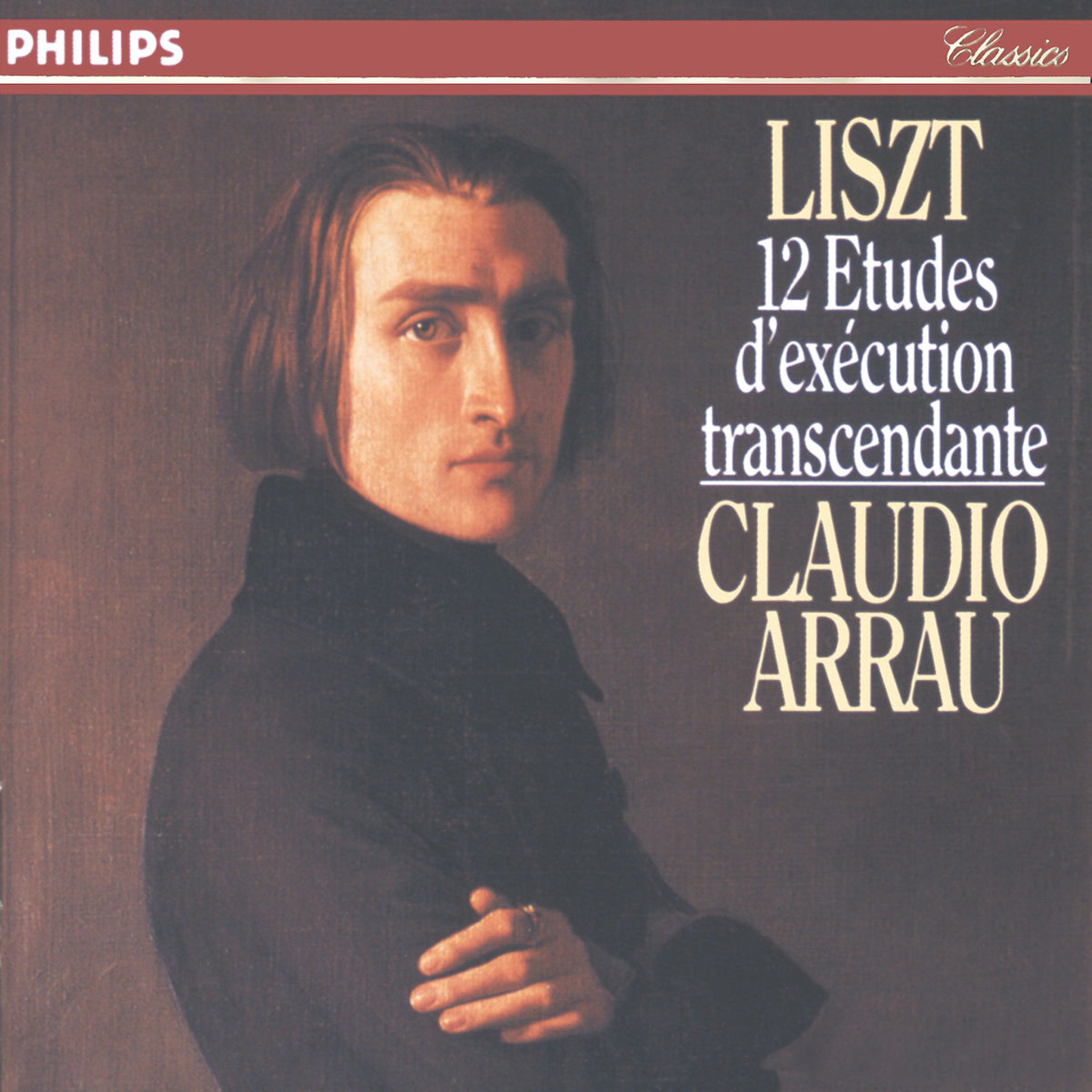
Album cover courtesy of Decca Classics
I like classical music, even though I don’t know enough about it to write about it. I’ve gone to concerts and my mom played a little bit of classical music around the house, but as a card-carrying member of the hoi polloi, I still don’t feel comfortable writing about something that seems so inaccessible. That’s all the more reason to do it, I think.
I love reading about fame and fandoms of ye olden days. We may think Swifties and Beatlemaniacs are a modern phenomenon, but ladies used to be so besotted with Lord Byron that they’d send him cuttings of their pubes in the mail. Can you imagine! Today, that would probably be viewed as a vague threat more than anything, definitely not a slightly saucy way to show your appreciation to your favourite poet.
But you can’t really talk about insane fan behaviour of yore without talking about the OG, Franz Liszt. The 19th century Hungarian composer was such a sexy bastard that some people viewed him as an actual danger to public health.
Back in the day, it was viewed as bad form to be playing from memory, with Chopin saying it makes a player look arrogant. Liszt pooh-poohed all that and made the decision to not take his scores on stage. He placed the piano directly in front of the audience so that they could see his face, and he played wildly, beads of sweat flying while he’s whipping his head around theatrically. And the ladies went wild.
People used to faint at his recitals so much that the phenomenon was dubbed Liszt Fever, or Lisztomania. The ladies would rip his clothes and fight over locks of his hair, with the most desperate fan girls even collecting his used coffee grounds and cigar stubs to put into lockets and wear around their necks. Freakish behaviour, almost to an admirable level. Aside from maybe David Hasselhoff, I’m sure I don’t feel that strongly about anyone.
I decided to go for a recording of the Transcendental Études by the revered Chilean-born pianist Claudio Arrau. Arrau’s natural and ecstatic playing makes him the perfect person to convey the passion and emotion that made Liszt the original rock star, and that made him so magnetic that people would faint. Arrau plays with so much energy and fire that it’s almost hard to believe that he was 74 at the time of recording. At times it’s difficult to just focus on the music without thinking about how hard it must be to play it.
The Transcendental Études, or Études d'exécution transcendante, consist of 12 piano compositions that Liszt made when he was 14 years old, and later went back to refine them to the versions that we hear today. What kind of 14-year-old even writes something that can be refined into music like this? I had no good ideas at 14. What could I be refining from that time, aside from maybe my skills in drinking cider in parks and crying to Fiona Apple? I have nothing in common with Liszt.
It’s very good, I enjoy it. But does it make me want to yank a woman’s hair to get a piano string or throw my panties on the stage? Probably not, leading me to think that Liszt’s charisma and raw, sexual magnetism probably had quite a lot to do with it – another thing Liszt and I unfortunately don’t have in common. It’s a strong 8.5/10.